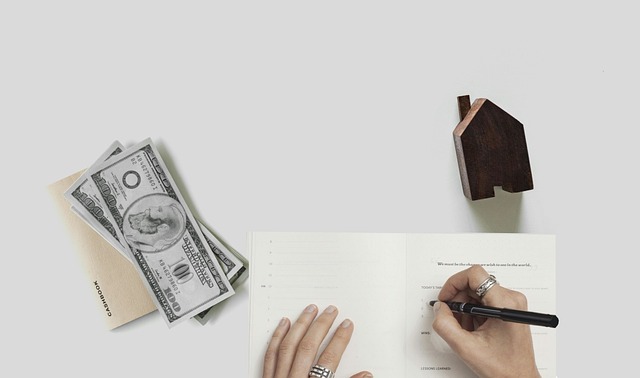
Finding the Right Balance: A Guide to How Much Money You Should Spend Each Month
Developing a budget is an essential step in managing your finances effectively. One of the most crucial aspects of budgeting is allocating your income to meet your various financial needs. It's crucial to recognize that not all of your money can be used for discretionary spending.
The question now is: How much money should you spend every month in order to meet your needs, a little bit of your wants, and save for the future at the same time?
In a world where our wants and needs are generally bigger than our cashflows, this question sounds difficult and complicated.
But let’s dissect it one by one today.
How Should I Budget Every Month?
When it comes to managing your monthly budget effectively, it's essential to find a balance between fulfilling your financial obligations and indulging in your wants. The 50/30/20 budget is a helpful formula to follow. This budgeting technique involves allocating 50% of your take-home pay to meet your essential needs, 30% for discretionary spending on wants, and the remaining 20% towards debt repayment and savings.
The 50% allocated to needs should cover essential expenses like rent, groceries, utilities, transportation, and insurance. These expenses are considered non-negotiable and must be taken care of before considering any discretionary spending. Depending on your income and financial obligations, the percentage allocated to needs may vary. For instance, if your rent takes up a large portion of your income, you may have to adjust your budget accordingly.
The next 30% should be allocated towards wants, including entertainment, dining out, gym memberships, and vacations. These expenses are discretionary, and you can adjust this percentage based on your individual preferences and financial goals.
The remaining 20% should be devoted to savings and debt repayment. This means that you should use 20% of your take-home pay to pay down your debts and build your savings, such as an emergency fund or a retirement account.
It's essential to prioritize your needs and obligations before indulging in your wants. Your specific spending figures will be based on your income and financial situation. Therefore, it's crucial to create a budget that is customized to your needs, goals, and lifestyle.
Steps For A Successful Budgeting
Determine Your Take-Home Pay
To create an effective budget, you must start with your take-home pay. Your take-home pay refers to the amount you earn after taxes and other payroll deductions have been taken out. This is the money you have available to spend and allocate towards various expenses.
To determine how much money you have to work with, you need to calculate your take-home pay. This figure is typically listed on your pay stub and is the amount that is deposited into your bank account each pay period. Once you have calculated your take-home pay, you can use it as a starting point for your budget.
It's important to remember that your income level will determine how much you can afford to spend on everything from rent to groceries. If you find that your income is not sufficient to cover your necessary expenses, you may need to look for ways to make more money. This may include seeking a higher-paying job, asking for a raise, or taking on additional work to supplement your income. see also: 5 Self-Running Businesses That Can Operate By Itself)
If increasing your income is not an option, you can still make your current pay stretch further by finding ways to save money. This may include carpooling to work, using coupons or discount codes when shopping, or buying items in bulk to save money on groceries. Finding ways to cut back on unnecessary expenses can also help you free up more money to allocate towards your needs and wants.
Set Aside 20% And Determine Your Monthly Expenses For Necessities And Debt Payments
Creating a budget is an important step towards achieving financial stability. When creating a budget, it's important to determine how much you need for key expenses. Simply spending everything you earn on whatever you want can leave you unprepared for the future.
To create a budget that works for you, start by allocating 20% of your take-home pay towards savings and debt repayment. This involves paying yourself first by setting aside money for an emergency fund and retirement. An emergency fund can help you cover unexpected expenses, while saving for retirement can help you prepare for your future. Debt repayment is also an important part of this category. If you have outstanding credit card debt, for example, it's important to work on paying it down.
After allocating 20% to savings and debt repayment, you should subtract your regular bills. This includes essential expenses such as rent, utilities, groceries, and transportation. If your monthly take-home pay is $5,000, it's recommended that you aim to spend no more than half of that, or $2,500, on essentials.
Once you have calculated your savings, debt repayment, and essential expenses, you can determine how much money you have left for non-essential expenses. This includes things like entertainment, dining out, and hobbies. To ensure that you don't overspend on non-essentials, it's recommended that you allocate no more than 30% of your take-home pay towards wants.
Set Aside For Leisure Expenses
When it comes to budgeting, it's important to not only account for your essential expenses, but also to give yourself room for leisure spending. While it may be tempting to put all of your disposable income towards saving for the future, it's important to find a balance and allow yourself to enjoy life in the present.
According to David G. Metzger, a certified financial planner and the founder of Onyx Wealth Management LLC in Illinois, it's important to think about what you can do right now to enjoy life, rather than solely saving for retirement. To do this, you can allocate 30% of your monthly income towards discretionary spending on things like dining out, entertainment, and hobbies.
However, it's important to keep in mind that this 30% cannot come at the expense of your essential expenses or savings. For instance, if your monthly income is $5,000, you should aim to spend no more than $2,500 on your essential expenses and debts (50%), and at least $1,000 on savings and debt repayment (20%). This leaves you with $1,500, or 30%, for discretionary spending.
It's also important to remember that the 50/30/20 budget is a guideline and not a one-size-fits-all solution. Your spending needs and priorities may differ based on factors like your income, location, and lifestyle. It's up to you to adjust the percentages based on your unique situation, while still prioritizing essential expenses and saving for the future.
Final Thoughts
In order to maintain a healthy budget, it’s important to be adaptable to changes in your financial situation, such as an increase in living expenses or a change in income. If you find yourself coming up short at the end of each month, it’s time to reevaluate your spending habits.
One helpful tactic is to closely examine your bank and credit card statements, taking note of where your money is going. Additionally, consider collecting all of your receipts in a designated place, such as a jar, to keep track of any expenditures made with cash.
By being transparent about how you’re spending your money, you’ll be better equipped to identify areas where you can cut back. This might mean finding ways to reduce spending on non-essential items or lowering your fixed expenses, such as your monthly rent or utility bills.
Making changes to your budget may not always be easy, but doing so can help you avoid financial stress in the long run. The key is to stay flexible and honest with yourself about your spending habits, and to be open to making adjustments as needed.
