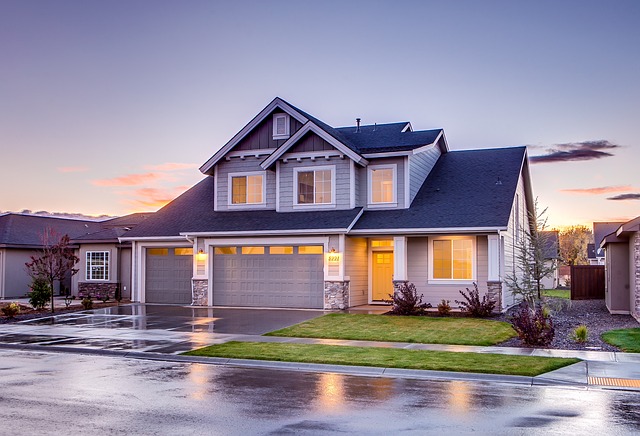
Renting vs. Buying A Home
Are you currently on the hunt for a new home, but feeling overwhelmed by the process? It's understandable - finding the perfect place to call home can be a daunting task. One of the first questions you might ask yourself is whether you should buy or rent a home. To make the right choice for you, it's important to weigh the pros and cons of each option.
While there are many factors to consider, the biggest one that should influence your decision is your budget. How much are you willing and able to spend on housing? Buying and renting both have their advantages and disadvantages, so it's important to weigh them carefully before making a decision.
To help you make an informed choice, we recommend making a list of pros and cons for each option. By carefully considering your budget and weighing the pros and cons, you'll be well on your way to finding the perfect place to call home. (see also: Smart Money Moves That You Should Do This 2023)
Renting A Home - The Pros
Are you considering renting a home or apartment? Making this decision is a significant task that necessitates thoughtful contemplation. Before you sign on the dotted line, it's important to weigh the pros and cons of renting to make sure it's the right choice for you.
Let's start with the pros of renting. One of the biggest advantages of renting is flexibility and freedom. With a month-to-month lease, you have the freedom to make a quick decision to move out if you need to. This is especially beneficial if you're unsure about your long-term plans or if you're in a transitional phase of your life.
Another pro of renting is that you're not responsible for maintaining the property. If something breaks or needs repair, you can simply notify your landlord and they'll take care of it. This means you don't have to worry about the cost or time involved in making repairs, which can be a huge relief.
Renting may also be cheaper than owning a house, especially when you factor in the costs of repairs and maintenance. With renting, you know exactly how much you'll be spending each month, making it easier to budget and plan your finances.
Finally, if you work or travel frequently, renting can be a great option as you won't have to worry about the responsibility of maintaining a property. This can be a huge weight off your shoulders and give you more freedom to focus on other aspects of your life.
Renting A Home - The Cons
While there are many advantages to renting a home or apartment, there are also some cons that you should consider before making a decision. We should examine in more detail some of the disadvantages of renting.
One of the biggest cons of renting is that your landlord can increase the rent at any time. This means that the cost of your housing could go up unexpectedly, making it harder to budget and plan your finances. Additionally, you won't have the opportunity to build equity in the property, as it won't be your asset.
Another disadvantage of renting is that there are no tax benefits. Homeowners can deduct mortgage interest and property taxes from their taxes, but renters do not have this option. This can make renting less financially advantageous than owning a home.
If you like to make changes or upgrades to your living space, renting may not be the best option for you. You'll typically need your landlord's approval to make any changes, and they may not be willing to allow modifications that you'd like to make. Additionally, many rental properties have a "No Pets" policy, which can be a challenge for animal lovers looking for a place to rent.
Another potential disadvantage of renting is that your landlord can evict you at any time. If they decide to sell the property or make other changes, you could be forced to move out without much notice. Additionally, you'll be bound by the rules and obligations in your lease agreement, which can limit your freedom to make choices about your living space.
Buying A Home - The Pros
When it comes to purchasing a home, there are several advantages that can make it an appealing option. Let's explore some of the pros of buying a home.
Firstly, owning a home can provide a sense of stability and settlement. It can also bring a sense of pride and accomplishment in owning a valuable asset. As a homeowner, you have complete control over your living space and can personalize it to your liking. You can make any changes you want, from small updates to major renovations, without needing anyone's permission.
Another potential benefit of buying a home is that it can serve as an investment. You can buy a property, rent it out, and earn monthly profits. Over time, your investment could appreciate in value, giving you a potential return on your initial investment.
Homeownership also comes with several tax benefits. You can deduct your mortgage interest payment from your taxes, which can help reduce your taxable income. Additionally, as you pay off your mortgage, you build equity in your property, which can be a valuable asset later on.
When you own a home, you have complete freedom to live however you want. You have the freedom to keep pets, replace appliances, and renovate to your heart's content without any interference. You also have your own privacy, as you won't have to share walls or common spaces with other tenants.
Buying A Home - The Cons
Owning a house can be an exciting venture, but there are some downsides to consider. Let's take a closer look at some of the cons of buying a home.
Firstly, owning a home means you have more responsibilities to manage. You have to plan for maintenance costs and allocate time to take care of household projects. This can be challenging, especially if you have a busy work schedule or other commitments.
Another aspect to consider is the liquidity of your investment. Unlike stocks or bonds, a home is not a liquid asset. This means that if you ever plan to sell your property, it may not be as quick of a process as you expect. Selling a home requires a lot of paperwork, inspections, and negotiations. Therefore, it can be a time-consuming and sometimes frustrating process.
Although you are not required to pay rent on a monthly basis, the property taxes may increase. This means that you may have to allocate more of your monthly budget towards taxes, especially if your property value increases. Additionally, it is possible to lose the value of your property over time, instead of gaining it. This means you could end up selling your house for the same price or even less than what you paid for it initially, after taking into account inflation.
Another factor to consider is mobility. If you are someone who enjoys moving around or traveling frequently, home ownership may not be the best option for you. Selling a house and finding a new one can be a time-consuming and expensive process. Opting for rental accommodations could offer greater adaptability and freedom of movement.
Finally, buying a house can be much more expensive than renting one. While a monthly mortgage payment can sometimes be less than a monthly rental payment, you must consider other expenses such as property taxes, homeowner's insurance, and maintenance costs. These expenses can vary from month to month, making it difficult to budget accurately. Additionally, unexpected expenses such as roofing repairs or plumbing issues can add up quickly, putting a strain on your finances.
Final Thoughts
Deciding between renting and buying a home isn't just about the cost - there are several other crucial factors to consider. Your plans for the future, career goals, and the length of time you intend to stay in a particular location all contribute to making the best decision.
If you're committed to settling down and building a family or career in a particular area, then owning a home may be the right choice for you. However, if you're uncertain about your career choices or want to explore the world more, renting provides greater flexibility.
It's essential to consider long-term homeownership commitments before making any decisions. So, take your time to evaluate the pros and cons of both options to determine which one aligns with your current and future goals.
