5 Things You Should Remove From Your Wallet Right Now to Avoid Financial Ruin
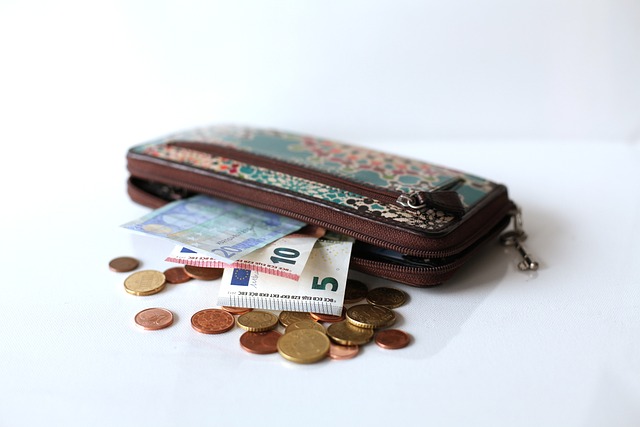
I recently experienced a personal setback in my financial life when I lost my wallet at the mall. The incident occurred as I was paying for my groceries at Walmart, and by the time I had made my next stop at a bakery, I realized my wallet was missing. I had no recollection of what had happened in the two minutes it took me to walk from one store to the next.
As a finance writer, I am responsible for creating hundreds of articles a year on the topic and you can read them all on this website. Despite my professional knowledge and experience in this area, I found myself searching through trash cans, convinced that someone had taken my cash and credit cards and discarded the evidence. The reality of the situation began to sink in as I considered the various hassles and challenges that would be required to restore my identity. (see also: Remind Yourself These Powerful Words of Encouragement Next Time You Fail At Something)
I may never have retrieved my wallet but I have learned my biggest lesson for this week about something that we take for granted. We used to store everything in our wallet yet this is one of the most common things that people always lose.
For your peace of mind wherever you go, don’t put these stuff in your wallets:
House Keys
Spare house keys are an essential item that many of us keep in our wallets, purses, or briefcases, as they can come in handy in case we accidentally lock ourselves out of our homes. However, keeping spare house keys in your wallet can also be a risky habit that could lead to more significant problems if your wallet is lost or stolen.
When someone has access to your wallet, they also have access to your personal identification, which can lead them straight to your home. A spare house key is essentially an invitation for a thief to enter your home and steal more of your valuable possessions. This can be a significant safety concern, not just for you, but also for your family and loved ones.
A thief may assume that you are still out searching for your lost wallet, and may take the opportunity to go see what valuable items they can find in your home. Not only will you have to worry about the safety of your loved ones, but you'll also have to act fast to change locks and increase security at your home while trying to resolve your other lost wallet issues.
To avoid this potential problem, it is best to remove spare house keys from your wallet and file them in a safe place at home. This way, you'll have peace of mind knowing that your home is secure, even if your wallet is lost or stolen. Additionally, it's always a good idea to keep a spare key with a trusted friend or family member, so you always have a backup in case of an emergency.
Social Security Card
When it comes to personal and financial security, it is essential to protect your personal identification documents such as your Social Security card and birth certificate. These documents are often required for various purposes, such as applying for a job, opening a bank account, or obtaining a driver's license. However, it is not uncommon for people to hold onto these documents even after they are no longer needed, leaving them vulnerable to theft or loss.
One of the main risks of carrying around your Social Security card and birth certificate is that they contain sensitive information that can be used to impersonate you. A thief who gets their hands on this information can use it to open credit cards, take out loans, or even commit identity theft. This can lead to serious financial problems and can be difficult to resolve.
To protect yourself and your personal information, it is important to take your Social Security card and birth certificate out of your wallet, purse, or briefcase as soon as they are no longer needed. Once you have removed these documents, it is important to store them in a safe place at home where they will be protected from theft and loss.
Having a safe in your home or safety deposit box is a great way to store important documents, but it is important to make sure that it is installed properly and is difficult to break into. Another option is to store the documents in a fireproof safe or in a safe deposit box.
To further protect your personal information, you should also consider shredding any old documents that contain sensitive information such as your Social Security card or birth certificate. This will make it difficult for a thief to use the information, even if they manage to steal the documents.
Receipts With Personal Information In It
Store receipts may seem like insignificant pieces of paper, but they can actually contain a surprising amount of personal information that can be used by a criminal to commit identity theft or financial fraud. This is why it is important to be mindful of the receipts you keep in your wallet, purse, or vehicle and to dispose of them properly.
Receipts from your recent purchases can contain a variety of personal information, including your name, address, phone number, and even your credit or debit card number. This information can be used by a criminal to gain access to your financial accounts, make fraudulent purchases, or even impersonate you.
To protect yourself from this risk, it is important to clean out your wallet, purse, and vehicle on a regular basis and remove any receipts that are no longer needed. This will help to reduce the amount of personal information that a criminal could potentially access if your wallet or purse is stolen.
All Your Credit Cards
Carrying all of your credit cards in your wallet can be a risky habit, especially if your wallet is lost or stolen. Having access to multiple credit cards can be convenient in case of an emergency, but it also increases the chances of financial damage if a thief gets a hold of your wallet.
To protect yourself from the potential financial loss and hassle of a stolen wallet, it is best to only carry one credit card with you for emergency purposes. This way, if your wallet is lost or stolen, you will still have access to money and will not be left without a way to pay for essentials.
When choosing which credit card to carry with you, it is important to consider the credit limit, interest rate, and rewards program. It is also a good idea to choose a card that has a good customer service support so you can contact them in case of an emergency.
Before leaving the remaining credit cards at home, it is important to write down the contact information and card number for each card. This will make it easy to report the card missing in case your wallet is taken. Keep this information in a safe place, such as a fireproof safe or a safe deposit box, so you can easily find it when you need it.
In the event your wallet is stolen, it is important to act quickly. Contact the credit card companies immediately and report the theft. This will prevent the thief from making unauthorized purchases and will help you to minimize the damage. Additionally, you should also contact the police and file a report, this will help to ensure that the thief is caught and held accountable for their actions.
Passwords, PIN Codes
Personal Identification Numbers (PINs) are a crucial aspect of protecting your bank account and credit card information. They are designed to ensure that only the authorized person, who knows the correct PIN, can access the account or use the card. However, as convenient as it may seem, storing your PINs in your wallet alongside your credit and bank cards can be a risky habit that could lead to financial loss if someone stole your wallet.
When setting up a PIN, card providers usually advise customers to select a password that is easy to remember. However, some people may find it challenging to remember multiple PINs for different cards and may resort to writing them down and keeping them in their wallets for easy access. This may seem like a practical solution, but it can leave you vulnerable to financial fraud if your wallet is stolen.
The best way to protect your PINs is to store them in a safe and secure location, such as your locked mobile phone. You can store your PINs as a phone number in your contact list, where it will be easily accessible in case you need to use an ATM or make a purchase. This way, even if your wallet is lost or stolen, your PINs will remain protected.
Another alternative is to work hard at memorizing the PIN for the card you use most frequently. This may take some time and effort, but it will be well worth it in the long run. It will help you to avoid the risk of losing your money and identity if your wallet is stolen.
Final Thoughts
Losing your wallet can be a stressful and overwhelming experience, not just for the inconvenience it causes, but also for the potential financial and personal risks it poses. However, by taking the necessary precautions and knowing what to remove from your wallet, you can reduce the risk of financial ruin and minimize the hassle of getting things back to normal. This includes removing personal information such as your Social Security card and birth certificate, disposing of receipts, only carrying one credit card for emergency purposes, memorizing your PIN codes, and removing spare house keys from your wallet. By following these tips and being more mindful of your wallet safety, you can help protect yourself and your financial well-being in case of a lost or stolen wallet.
