Your Checklist To Determine Your Financial Health
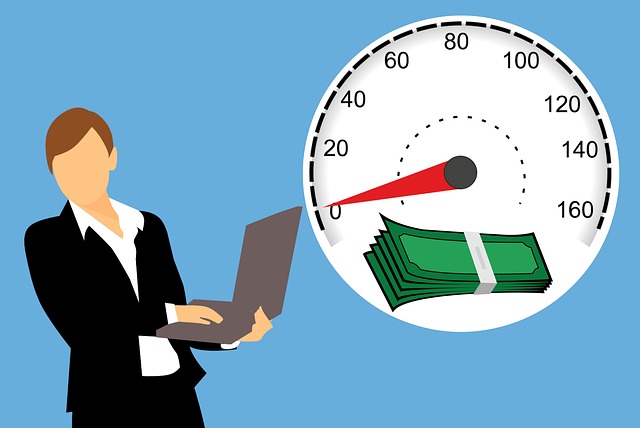
Your financial health will tell how far you are from your financial goals. If you are financially healthy, it’s a step towards achieving your goals and the lifestyle you’ve always wanted. There are certain figures and indicators which will allow you to determine your financial score.
Read on.
Calculate Your Net Worth
Here’s how you can compute how much your net worth is: Assets minus liabilities. Assets are everything that you own - cash in banks, investments, properties, stocks) and liabilities are your unpaid debts (student loans, personal debts, mortgages, credit card balance). This is the best indication of your financial health, or at least a snapshot of it.
Your monthly salary only tells one side of your financial story. You might be earning well, but what happens to your take home pay tells a lot about your financial attitude and habits. This is what the net worth measures. Your salary may indeed be high but if you still have so many unpaid financial liabilities, you might still end up with a negative net worth.
Determine Your Asset’s Market Value
You hold onto an investment asset for a long period of time in hopes that its value will increase and give you a high return. Your investment plays a huge part in your net worth calculation. Assessing its market value is important so you will be able to determine whether or not it’s still worth holding for a longer period of time, or if it’s still worth putting more funds in, or if it’s time to shift your focus on another income-generating investment.
Measure Your Debt-to-Income (DTI) Ratio
This figure is calculated by summing up all your debt payment (monthly) and dividing it your monthly income. A DTI of 36% or lower is ideal according to lenders. Determining this figure is important because it tells how creditworthy you are and how responsible you are in paying back your financial obligations. The higher the DTI, the higher interest rates the bank will impose on your loans and borrowings.
Determine How Long You Can Maintain Your Lifestyle
The months of safety metric from a report published by the Morning Start suggests that this is an important indicator of a person’s financial independence. This figure is calculated by dividing all your cash savings by your monthly expenditures. The resulting number is the number of months you will be able to carry on your lifestyle even without a monthly income which would be the case if you got fired or laid off from work.
Determine Your Level Of Personal Financial Stress
Rate your level of financial stress from 1-10, 10 being the most stressed when you hear about and deal with money. Common signs of financial stress are the following:
Lack of social plans
Avoiding creditors
Shortness of breath when you think about your funds
Losing control of your money
Irritability
Frequently worrying about money and the future
Trouble sleeping because of money issues
Final Thoughts
A person who cares about his finances and spending should know about the above figures. Financial health is also used by banks whether or not they should charge you with higher interest rates if they would grant your loan, or approve you on your credit card application. A financially healthy individual recognizes the importance of money, investment, and comfortable living.
