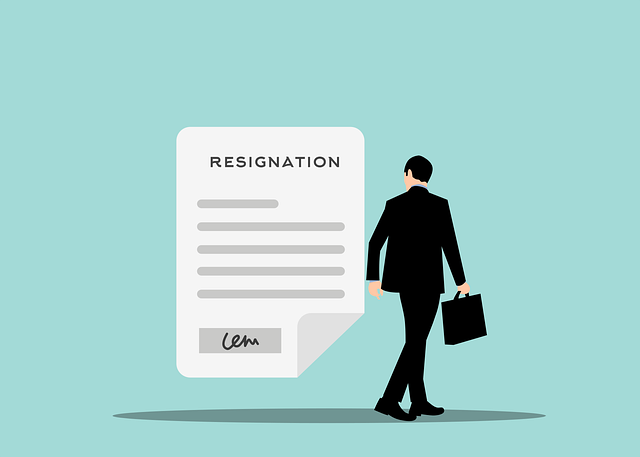
Should You Quit Your Job In 2023? Key Things To Think Of First
A new report from business consulting firm Robert Half has found that 46% of professionals are currently looking for a new job or plan to in the first half of 2023. This data is based on a survey of over 2,500 respondents across various industries, including marketing and finance. The findings suggest that a significant number of professionals are considering making a career move in the coming year.
If you're thinking about quitting your job and moving on to new opportunities, now may be a good time to do so. According to the Bureau of Labor Statistics, there were 11.3 million jobs open in May 2022 alone, indicating a strong job market. However, quitting your job can be a stressful and overwhelming process, and it's easy to get caught up in the details and lose sight of the bigger picture. If you're considering making a career move, here are three key things to keep in mind before submitting your notice:
Consider Your Financial State
Before making the decision to resign from your job, it's important to consider your financial situation. If possible, it's a good idea to try to find a new job that offers equally or more attractive compensation. According to Willis Towers Watson, an insurance consulting company, employers are budgeting for an overall average salary increase of 3.4% in 2022. In the tech sector, the average salary for professionals reached a record high of $104,566 in 2021, and has continued to rise through 2022. Therefore, it's worth considering whether you might be able to find a new position that offers better compensation.
While it's ideal to be able to resign from your current job and accept a new position with equally or better compensation, this isn't always possible. If you're planning to resign without another employment offer, there are some other important factors to consider. One key factor is whether you have an emergency fund with enough money to sustain a basic lifestyle for three to six months while you job hunt and figure out your next steps. If you do, you may be in a comfortable position to resign from your current job.
Another consideration is whether you are currently in debt. If you are, keep in mind that any period of time after your resignation will be a period during which you may not be able to contribute money towards your loans, while interest continues to accrue. This can impact your purchasing power and your ability to pay your debt.
Weigh Your Company Benefits
If you're planning to resign from your current job and start a new position, it's important to ask about the company's health, vision and dental coverage, as well as the monthly premiums for these benefits. You should also ask about the company's mental health and career development benefits. These factors should be major considerations when evaluating a new job offer, and they are becoming increasingly common in mainstream career offerings.
In addition to asking about the company's health, vision, and dental coverage, you should also inquire about the company's 401(k) and match policies. If your new company's match policy is not equal to or better than your old employer's, you may want to consider negotiating for a higher salary or starting bonus to make up the difference. This can help ensure that you're getting a fair compensation package that meets your needs and financial goals.
Decide Whether Your Current Professional Problems Can Be Solved By The HR
Before you decide to leave your current company, it's a good idea to consider whether leaving is the best or only option. For example, if you think you're not being compensated sufficiently and have a job offer that extends a better salary, you may be able to use that offer as leverage to negotiate a higher wage with your current employer. If you have a difficult professional relationship with a coworker or manager, you might also consider seeking the advice and support of your HR department before making a final decision about leaving your job.
Final Thoughts
If you have decided that you no longer wish to work with your current employer, your next step should be to give your employer notice of your resignation. While two weeks is the traditional notice period, you may choose to give notice even earlier in order to help your employer find a replacement for your role and to give yourself a less hectic transition period. It's important to remember the importance of leaving your company on good terms. Burning bridges can limit your options and opportunities in the future, so it's a good idea to be respectful and professional as you leave your job.
